


Have you ever found yourself in one of those slightly suspended, chic art-world settings, where conversations begin with a certain elegance and then inevitably drift into a kind of elegant emptiness, as if everyone were circling around something they cannot quite name, and at some point, almost by inertia, someone sets down their glass, tilts their head, and asks the most predictable and at the same time most slippery question of all: what is art?
It is a scene that repeats itself with surprising regularity, not only in exclusive circles or cultivated salons, but wherever a minimum density of thought gathers, because this question has run through the entire history of human knowledge without ever arriving at a definitive, stable, unassailable answer; and if it is true that every era has produced its own definition, it is equally true that every definition has, sooner or later, been surpassed, contradicted, or dissolved by what came after.
Thousands of years of philosophy, aesthetics, art history… and we are still here, exactly at the same point.
At this stage, it makes sense to change approach, and instead of trying to build on a solid definition, to start from its absence and immediately declare, without too many precautions, an axiom that sounds almost like a provocation but that, upon closer inspection, may be the only one that still holds: art is what art is.
“You’ve just discovered the obvious,” you might say… but this is not a joke, not a surrender, not a linguistic trick for its own sake, but the result of a long series of failures, because everything we have tried to use as a criterion, as a foundation, as an interpretative key, has proven insufficient over time.
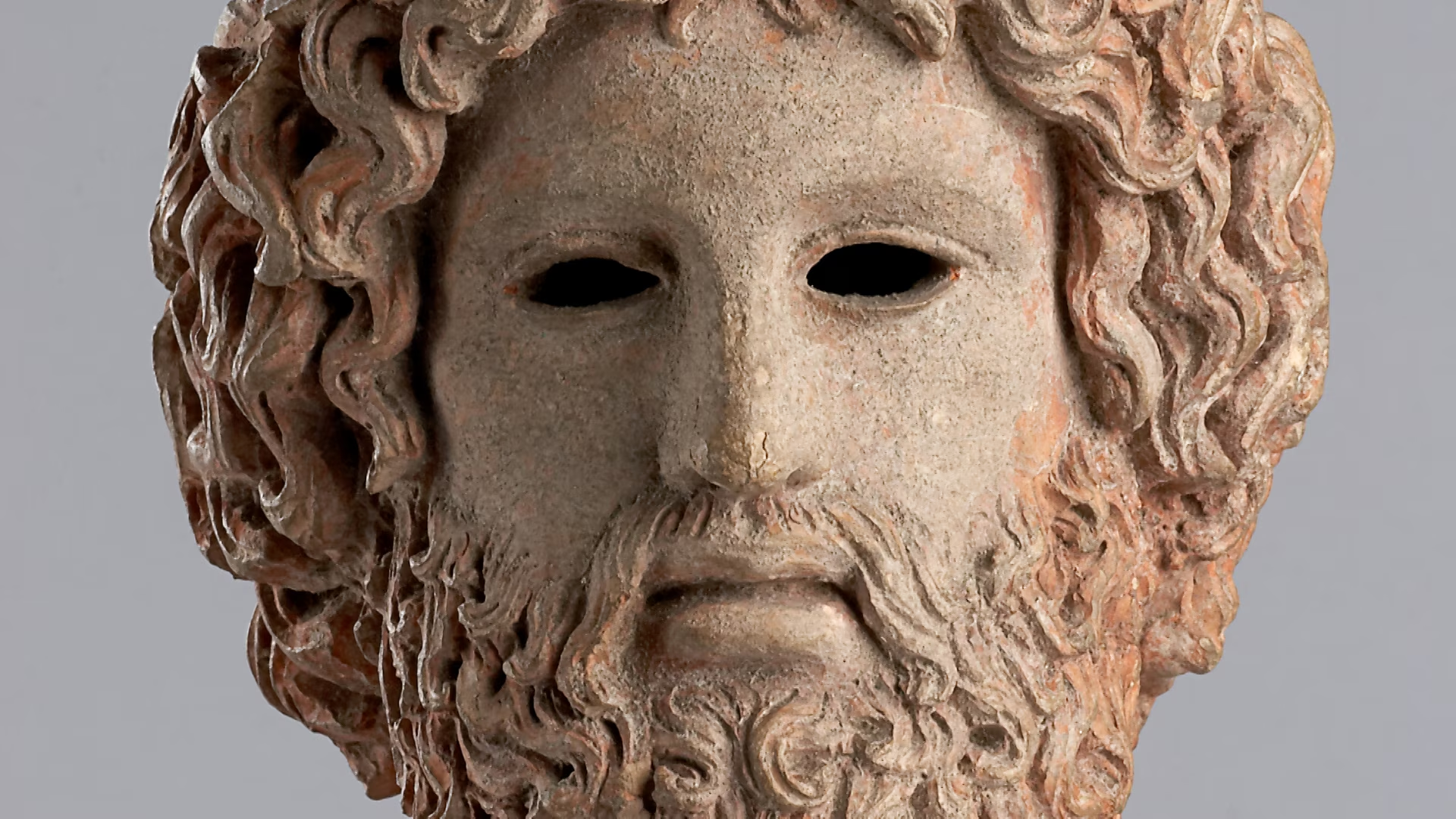
In Plato, art is described as imitation, as a copy of a copy, something that reproduces the sensible world which is itself already an imperfect derivation of ideas; and Aristotle, while revaluing the role of art, retains the concept of mimesis, attributing to it a cognitive and emotional function, noting that human beings take pleasure in imitation and recognize something of reality in representation. For a long time, this idea functioned as a stable foundation: art represents the world, reflects it, returns it in the form of image, narrative, figure.
And yet, even this definition, which seemed so solid, gradually cracked as art began to distance itself from the visible, to deform it, to deny it, to reinvent it. From the Renaissance perspective, which sought to construct a perfect illusion of space, to the avant-gardes that shattered representation, art ceased to be a mirror and became a device for producing worlds.
It has also been said that art could be identified with mastery, that is, the ability to control a technique to the point of achieving a superior level of execution, and this idea held for centuries, fueling the image of the artist as a master, as someone who knows how to do something better than others, who possesses a rare and almost inaccessible competence. However, with the great transformations of the twentieth century, this link progressively loosened until it broke, because the artist began to move elsewhere, to delegate execution, to separate the moment of conception from that of realization, leaving it to others, often highly specialized craftsmen, to embody that same mastery that once defined the artist. If technique can be externalized, if the hand no longer coincides with the author, then mastery cannot be the ultimate criterion.
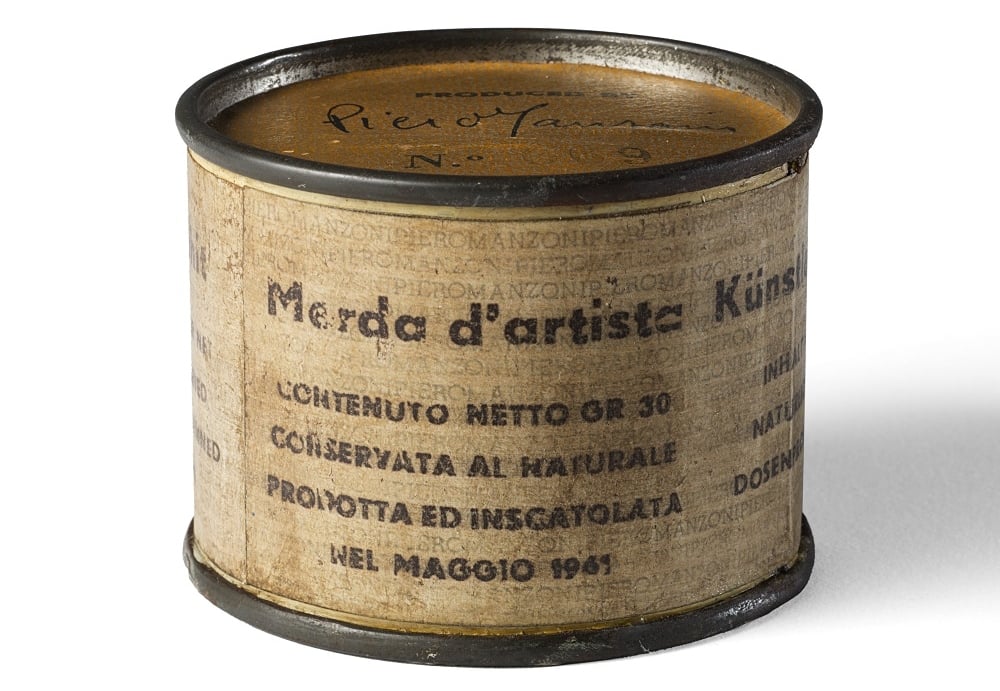
At that point, attention shifted toward concept, toward idea, toward content, suggesting that what matters in art is not how something is made, but what it means, what it communicates, what it intends to say. This position gained enormous strength, especially with the rise of conceptual practices, but here too the present introduces a difficult crack, because we live in an age of overproduction of ideas, in which concept alone risks becoming inflated, diluted, almost weightless. At a certain point we arrived at nonexistent works, at exhibitions of works projected through hypnosis, and we learned that art cannot be reduced to this either, because there remains an experiential, expressive, material dimension that resists being fully translated into a statement.
Then subjectivity was invoked, individual talent, the creative act as the authentic expression of an individual, often leading to the claim that anyone, under certain conditions, can produce art, and therefore anything can be considered art. It is an appealing, apparently inclusive position, but it carries a paradox that is difficult to resolve, because if everything is art, then the concept of art itself loses consistency, ceases to function as a distinguishing category, dissolves into a general indistinction in which nothing truly stands out. The classic trap of cultural relativism: if for you the way your aunt cooks is art and for someone else the way Lionel Messi kicks a ball is art, then anything can be called art, and anyone an artist… at that point, the category collapses.
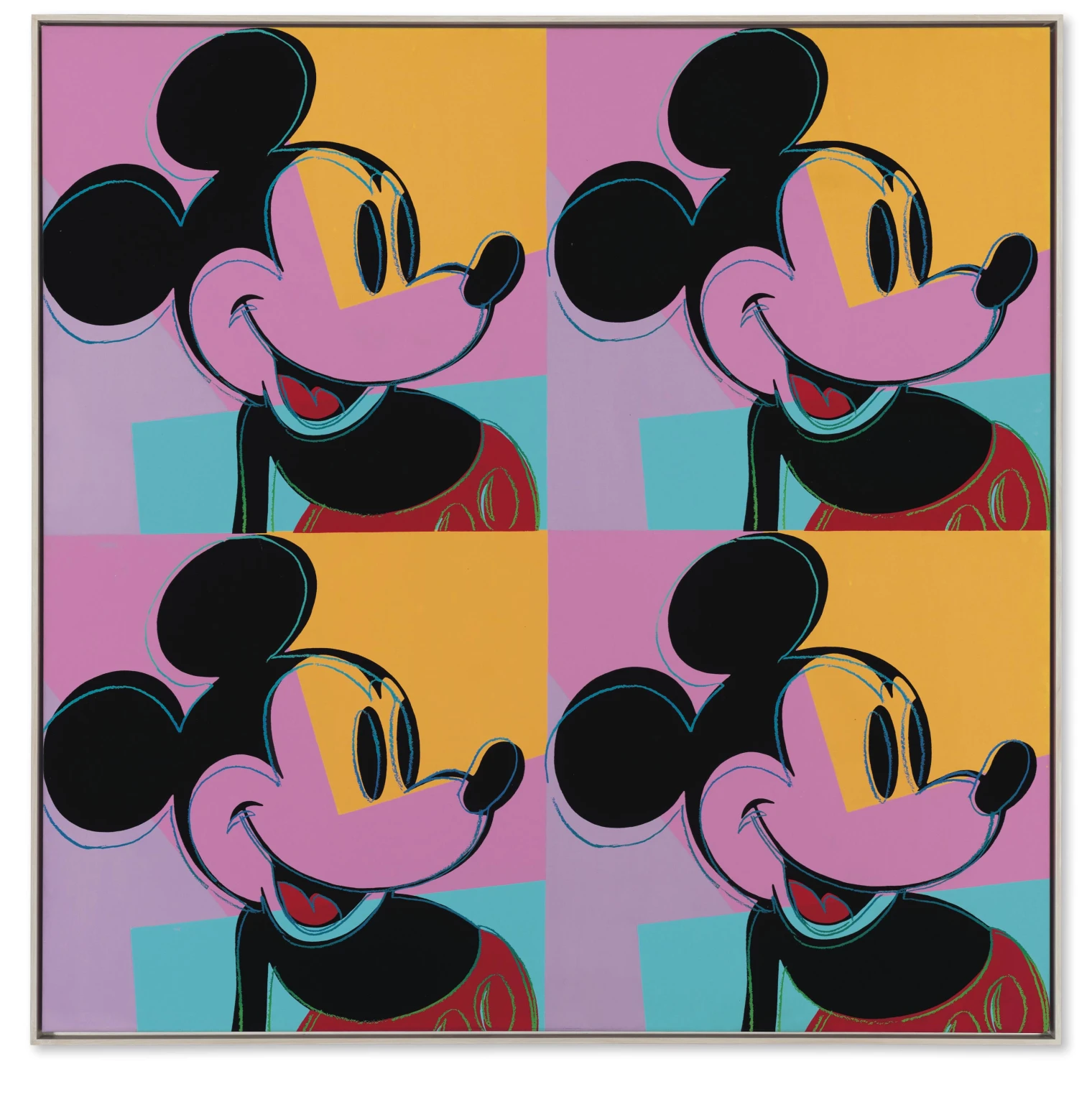
Another attempt focused on uniqueness, the idea that the artwork must be singular, unrepeatable, non-duplicable, but this principle too was definitively challenged by the technical possibility of reproduction, multiplication, serialization, to the point where mass production not only does not exclude art, but becomes one of its defining forms, as taught by Andy Warhol and Pop Art. If an artwork can exist in multiple copies without losing its status, then uniqueness is no longer sufficient.
Some have sought an answer in the market, attributing to economic value a validating function, as if price could certify the artistic status of an object, but the market is inherently unstable, subject to speculation, sudden oscillations, constant rewritings, and what is celebrated today may be forgotten tomorrow just as quickly.
Even the artist’s intention does not suffice, despite the temptation to consider it decisive, because while in certain moments everything produced by the artist is accepted as art, this view is historically recent and fails to account for the fact that art requires an external gaze, a recognition, a relational dimension that cannot be entirely contained within individual intention. The importance of the signature itself, after all, is relatively recent.
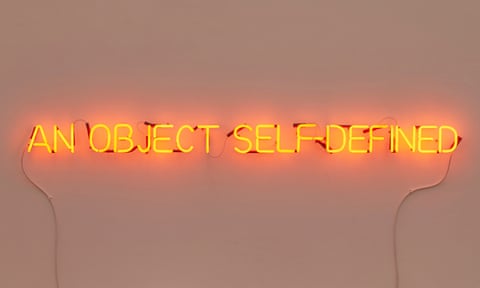
At this point, after having crossed and dismantled a series of definitions that once worked but ultimately proved partial, only one possibility remains, which is less a definition in the classical sense than a structural observation: art is not defined autonomously, but emerges within a context, through a collective and temporal process involving a multiplicity of actors.
To say that art is what art is means recognizing that it coincides with what is recognized as such over time, within a system composed of critics, curators, institutions, artists, philosophers, the public, and above all the historical sedimentation that transforms certain productions into objects of memory, study, and narrative. It is not we, in the present, who definitively determine what art is, but time that performs a selection, builds continuity, establishes what remains and what disappears.
In this sense, art is what enters the books of art history not because someone decided it once and for all, but because, through a series of recognitions and reinterpretations, it has been progressively absorbed into a system that defines it retroactively.
This implies a clear consequence: what is produced today cannot be definitively classified as art or non-art, because the temporal distance required for selection is still missing. We can hypothesize, support, promote, reject, but we cannot determine.
For this reason, the most honest answer, however elusive it may seem, remains the initial one: art is what art is, in the sense that art is what is recognized as such once time has done its work.
The rest will be decided by time.
