


The Museum Buys YouTube. NFTs Were Dead… or Was It Just Marketing?
The Victoria & Albert Museum in London has acquired the very first video ever uploaded to YouTube.
Yes, you read that right: not a painting, not a sculpture, not a “historic” photograph. A video that anyone can watch for free, anytime, from bed, with your phone at 12% battery and an ad playing before it.
And at this point, the obvious question pops up: wasn’t collecting digital stuff supposed to be dead after NFTs? Hadn’t we already filed the whole thing under “bubble,” “scam,” “monkey JPEG,” “crypto-bros,” and “the end of the story”?
Apparently not.
Because the museum is doing it. For real. And with the same casual confidence a collector would have when buying a 17th-century still life. Except this time, the still life is an upload.
The truth is, we’re not witnessing some contemporary gimmick. We’re witnessing an admission: digital is no longer a phenomenon. It’s an era.
They Didn’t Buy a Video. They Bought an Origin.
That file isn’t valuable because it’s beautiful. It’s valuable because it’s the first. It’s ground zero. The starting point of a world where culture no longer flows only through museums, galleries, cinemas, and libraries, but through platforms, algorithms, and feeds.
It’s like buying a worn-out Roman coin: it’s not fascinating because of its aesthetics, but because it’s an artifact. Evidence. A fragment of civilization.
And that’s why this news story is less “contemporary art” and more archaeology of the present.
Which brings us to the real question: what will the archaeology of the future look like? Will they dig into the ground or into servers? Will they find pottery or backups?
Most likely, they’ll find zip folders.
YouTube Is the New Cathedral (and We Live Inside It)
For centuries, societies had sacred spaces. First churches, then palaces, then museums. Today the sacred places are different: YouTube, Instagram, TikTok, Wikipedia.
Not because they’re “elevated.” But because everything ends up there: language, desire, identity, propaganda, memory, entertainment, history. Someone even thought about using YouTube to train newly built robots.
In practice, the museum is doing something simple. It’s saying that contemporary culture isn’t just in an exhibition hall anymore. It’s inside a screen. Inside a platform.
And at that point the question resurfaces: wasn’t digital collecting dead after NFTs?
No. What died was just the stupid way of telling the story.
NFTs Were Ridiculous… or Just Too Honest?
For years we kept repeating: “digital can’t be collected because it can be copied.” A sentence that sounds clever only if you don’t think about it.
Physical art gets copied too. Always has. The difference is that in the physical world there’s a legitimizing structure: provenance, certificates, archives, museums, exhibitions, criticism.
NFTs, for better or worse, did something nobody wanted to admit: they made the trick visible. They turned provenance into code. They said it clearly: you’re not buying the file, you’re buying the symbolic right to say “this is mine.”
And now the V&A comes along and does the exact same thing, without calling it an NFT. Because today “NFT” is a toxic word. It scares people. It smells like hype. It smells like embarrassment.
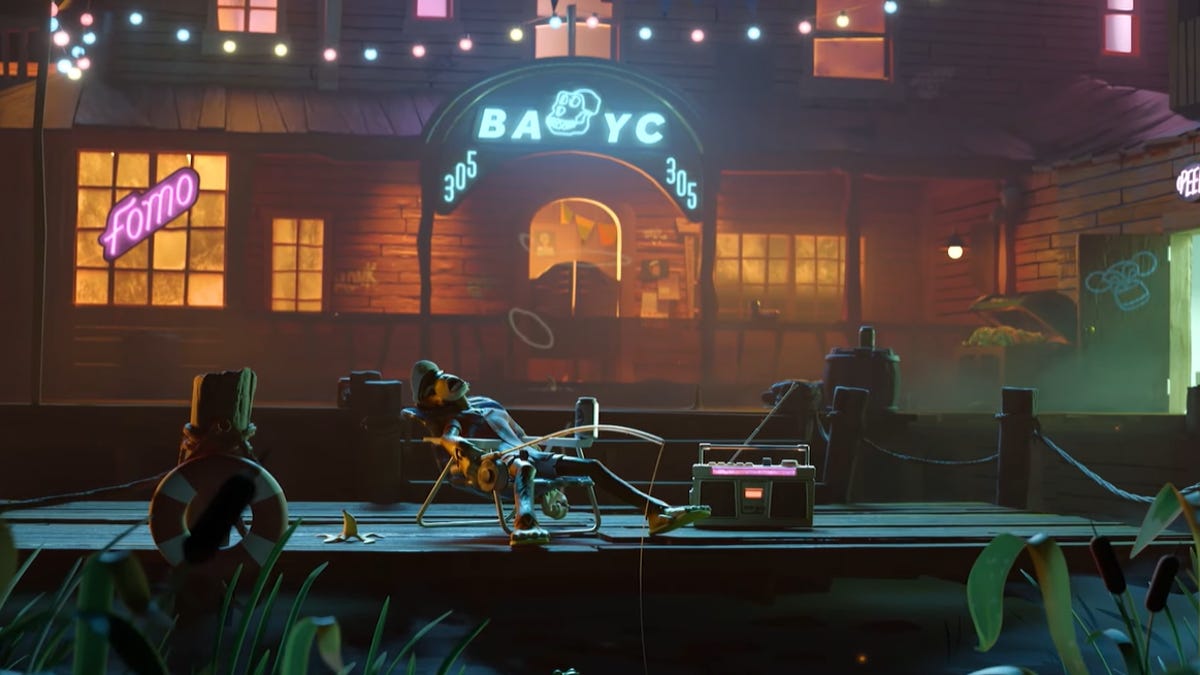
But the logic is identical. So yes: the museum has effectively done an NFT. It just did it with elegance, without apes and without Discord.
Owning Digital Is a Social Fiction. And It Works Perfectly.
This is the funniest part: the video remains accessible to everyone. You watch it, I watch it, millions of people watch it. And yet the museum “owns” it.
So what did it actually buy? It bought the ability to say: this object is history, and it belongs in my collection. It bought status. It bought legitimacy.
And here’s the key point: this isn’t a flaw. It’s exactly what happens in physical art too. Collecting has never been just possession. It has always been cultural power.
In digital culture, that dynamic is simply more visible. And more brutal.
Preserving a File Is Harder Than Preserving a Painting
Preserving a painting means controlling humidity and light. Preserving a digital asset means dealing with something far more subtle: technological time.
In fifty years, will that format still be readable? Will that codec still exist? Will that link still be alive? Will YouTube still be a platform or a fossil?
And that’s when you realize the museum isn’t just buying a file: it’s buying a technical problem. It’s buying responsibility. In other words: it’s not just collecting. It’s maintaining digital memory.
And ironically, that makes digital assets more similar to ancient sculpture than they seem. Because there too, conservation becomes part of the work.
The Artwork of the Future Might Be the Archive, Not the Artist
In the physical world, the artwork is rare because it’s unique. In the digital world, the artwork is everywhere, duplicable, replicable, endless. So the real rarity becomes something else: order.
Whoever archives, selects, certifies, and contextualizes will increasingly have more power than whoever produces. Because in a world of infinite content, the question is not “what exists.” The question is “what matters.”
It almost makes you think that in the future we won’t have the artist as we know it today, but the artist-archivist. Or the artist-algorithm. Or the artist-curator of flows.
And in the meantime, the museum is already doing its job: establishing hierarchies.
The Museum Is Legitimizing Banality (and That’s the Real Truth)
That first YouTube video is not a masterpiece. It’s normal. Almost insignificant. And yet it becomes an artifact.
This might be the strongest statement of all: contemporary culture isn’t made only of great works, but of everyday micro-events.
The future will collect: the first viral meme, the first “stupid” video that became global language, the first reaction, the first trend that changed the behavior of millions.
So yes: the art history of the 21st century might look like a feed.
Terrifying? Maybe. Realistic? Absolutely.
Museums Today Behave Like Influencers (and It Makes Sense)
There’s another angle nobody wants to say out loud: this acquisition is also a perfect communication move.
The museum makes headlines, looks contemporary, inserts itself into global conversation. It’s a smart gesture because today authority isn’t built only through what you own, but through what you can circulate.
And if a museum wants to stay relevant, it has to speak the language of the time. What language is that? Not Latin. Not oil painting. Not marble.
It’s the internet.
The Real Point: Smartphones Rewrote Life
None of this comes from NFTs. It doesn’t come from museums. It doesn’t even come from YouTube. It comes from the fact that digital became universal.
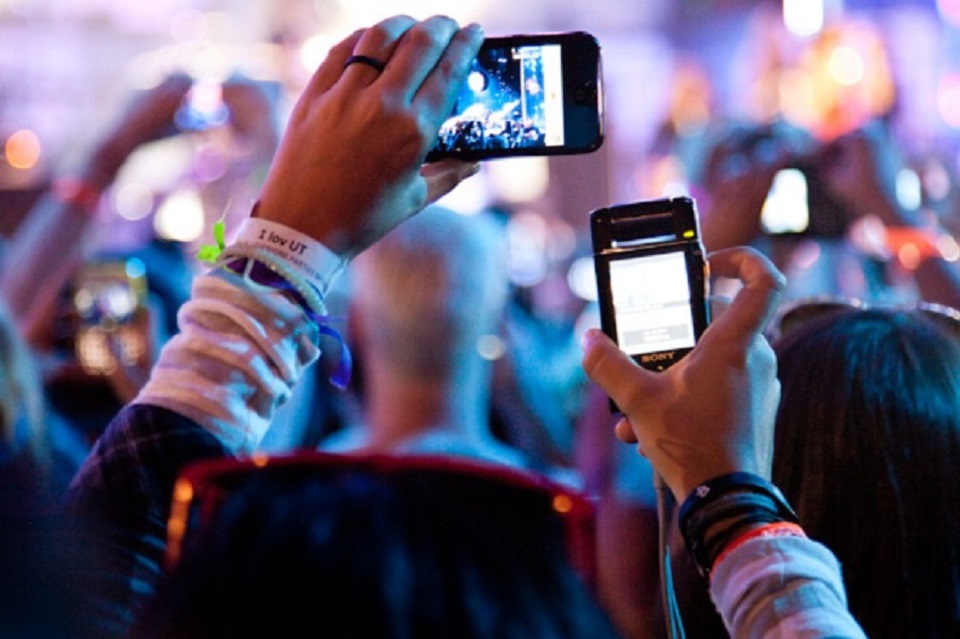
With smartphones, we turned every person into an author, a documentarian, an editor, a spectator, a walking archive.
And from there, daily life changed. Not “a little.” Radically. We live in a constant stream of content, notifications, feeds, micro-dopamine hits, images, and fragments of identity.
So when a museum buys a YouTube video, it isn’t chasing modernity. It’s simply arriving late to something that was already obvious: digital is our life.
So: What Will the Archaeology of the Future Be?
If today a museum buys an upload, what will it buy tomorrow?
An account? A meme? A conversation? A prompt? A playlist? A thread that influenced an election? A deepfake?
And more importantly: how will all of this be preserved? In what form? On what support? With what guarantees?
Maybe the archaeology of the future won’t dig into the earth. It will dig into the cloud. And archaeologists will be experts in formats, compression, metadata, and authentication systems.
Forget paintbrushes: the future will have database restorers.
Conclusion: NFTs Are Dead (or Seriously Sick), but the Idea Won
So yes, we can say it clearly: NFTs as hype are over. But the idea they brought into the world has become unavoidable.
Digital is collectible. Digital is preservable. Digital belongs in museums. And the Victoria & Albert Museum has just declared it, quietly, without noise.
In the end, the question is no longer “can digital be collected?”
The real question is far more uncomfortable:
who decides what deserves to be remembered, in a world where everything is recorded?
That is the new form of cultural power. And perhaps the new form of art.
